How it all began …
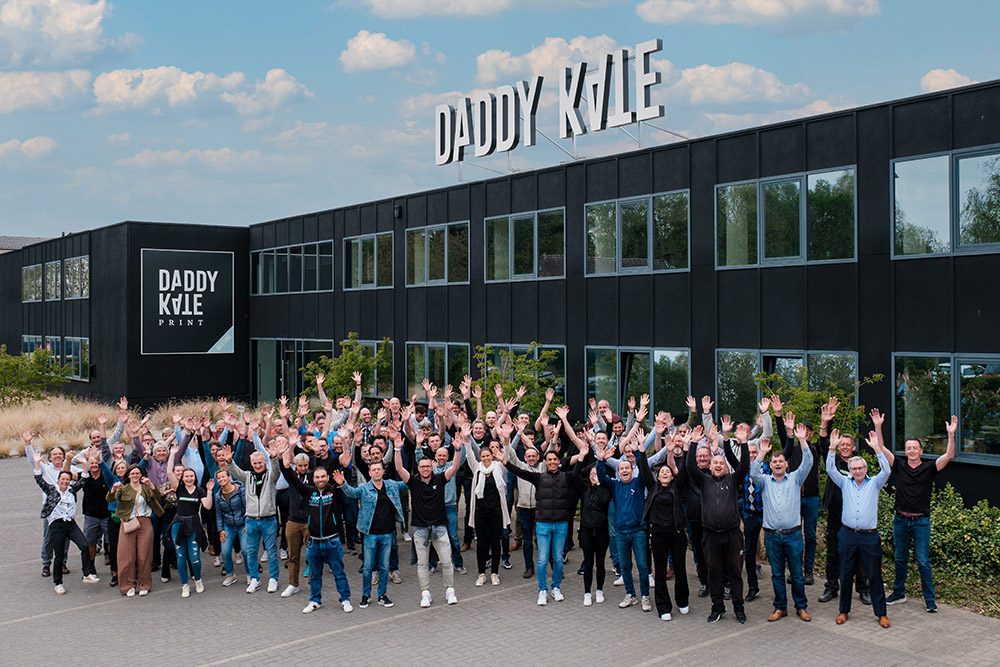
In 1978 Guido founded his own printing house, and together with his wife Nicola, he turned Claes Printing (Sint-Pieters-Leeuw) into a succesful business. In 2009, the second generation took over the company, paving the way for further growth. After several acquisitions, they decided to change the company’s name into DADDY KATE, and expanded their offer to be able to offer clients a total service.
Investing in additional companies
Together with its 100 employees, DADDY KATE Belgium grew into one of the most impressive graphic companies in the Benelux. Gradually, however, awareness grew that further growth could become disadvantageous. Can you stay close enough to your customers? Do employees continue to feel sufficiently involved? Do you remain agile as a company?
Questions to which the investment in a number of additional companies had to provide an answer. Companies that could develop their own expertise, their own structures and organisation.
The sister companies
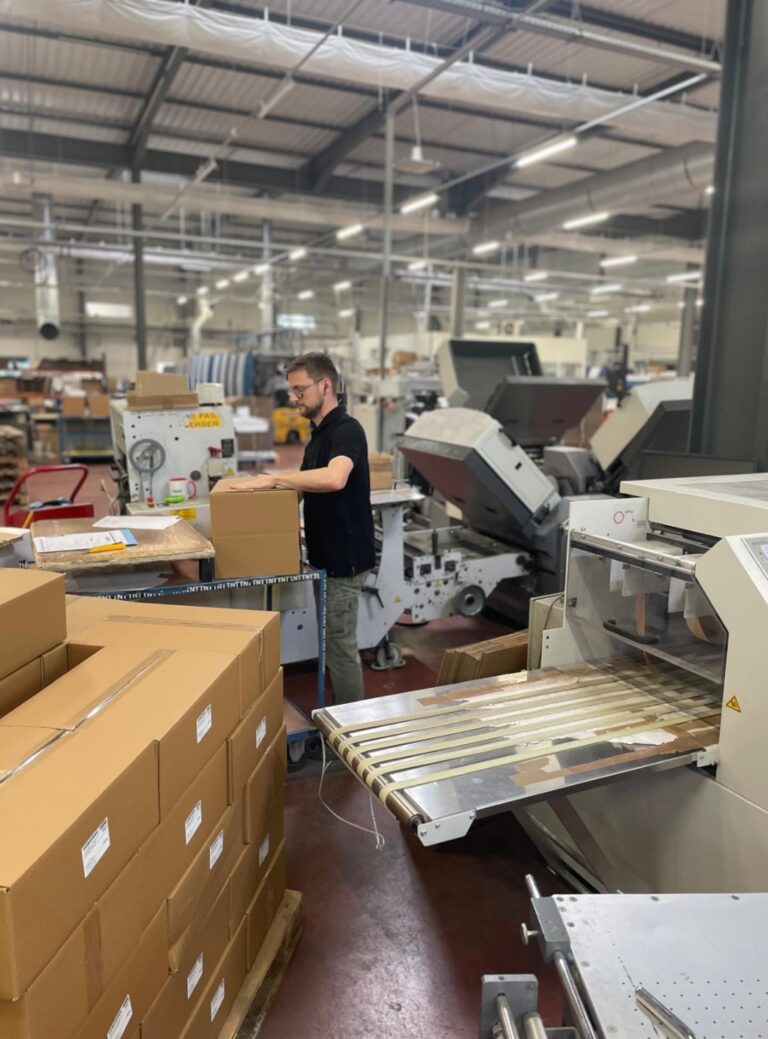
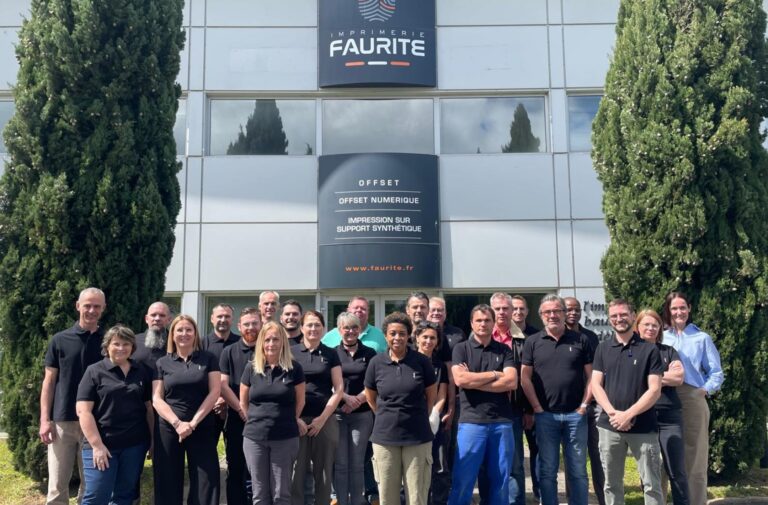
Communication agency Comith from Affligem was the first sister company to join the group in 2017. From that moment on, DADDY KATE could not only offer print but also graphic design, online communication and content to its clients. In 2019 and 2020, we acquired three French printing houses, that merged and were renamed DADDY KATE France, located in Libercourt. From this location, DADDY KATE serves the area from northern France to Paris. In 2021, Cartim from Gentbrugge decided to join, marking the first step towards online print. Afterwards, Publi-FDM from Sint-Lievens-Houtem reinforced the group in 2023, allowing us to add visual communication such as outdoor advertising, letterings, and sign & display to our offer. In 2024 ICR Group Imprimeries, specialised in personalised printing, from Tournai, acceded the group, followed by Imprimerie Faurite from Lyon a few weeks later. This geographical expansion allows us to serve the entire French market. In addition, HUV technology is also retained on site, which makes it possible to print even more difficult types of paper or PVC materials in a qualitative manner, thanks to the UV sheetfed-drying system.